

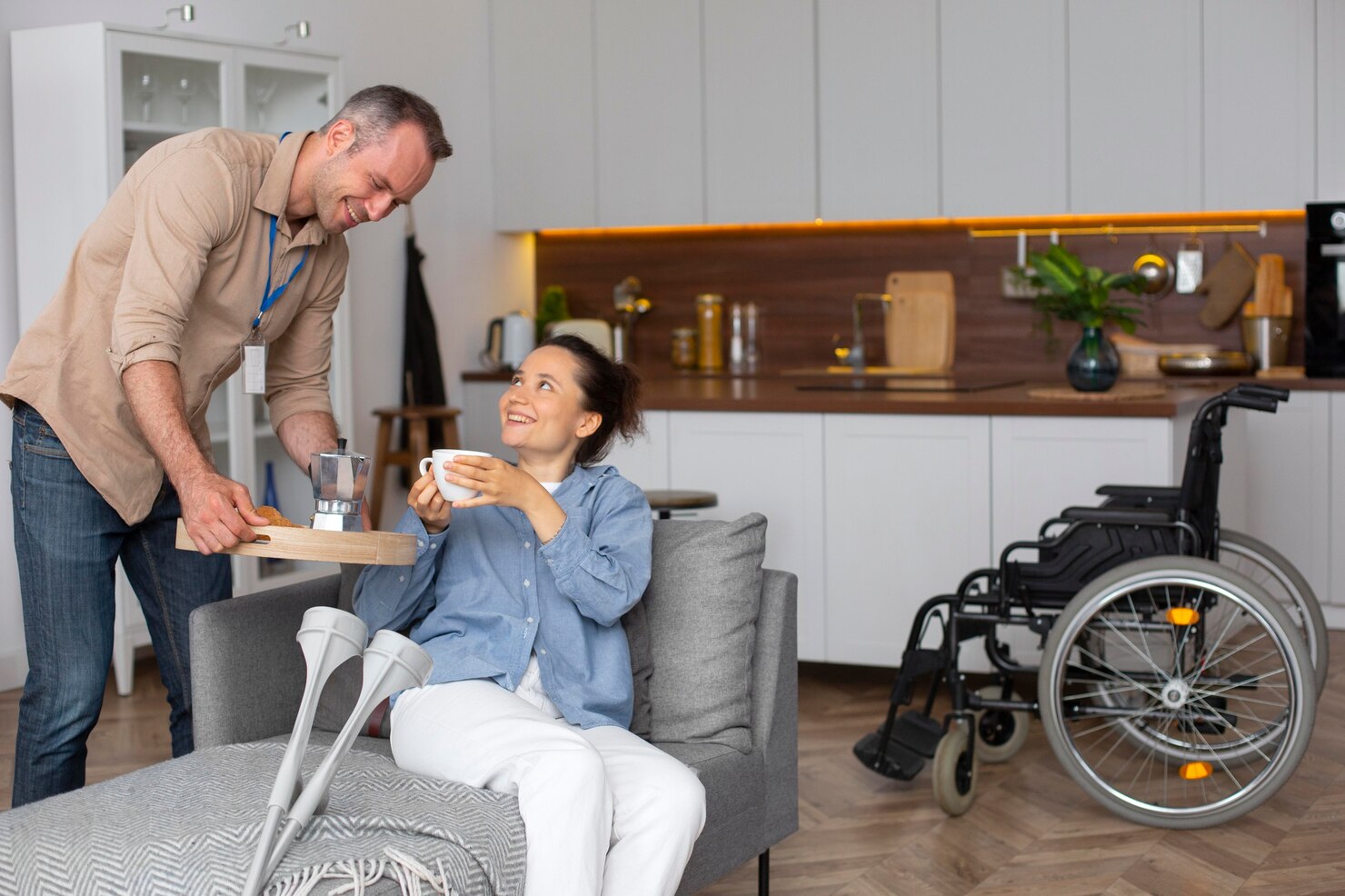
The right home can shape a person’s routine, privacy, safety and choice. For some NDIS participants, standard rental housing or social housing does not meet their disability-related needs. That is where Specialist Disability Accommodation, or SDA, may be considered.
SDA is not a general housing subsidy. The NDIS describes it as housing for people with extreme functional impairment or very high support needs. These homes include features that help residents live with more independence and allow supports to be delivered more safely. In Sydney, families benefit from knowing what to ask before searching for NDIS approved housing.
What SDA actually means
SDA funding relates to the dwelling itself, not the day-to-day personal support a participant receives inside the home. A resident may still need separate supports such as Supported Independent Living, personal care or therapy services.
A suitable SDA home may include:
- Step-free access and wider doorways
- Accessible bathrooms and kitchens
- Reinforced walls or break-out spaces
- Assistive technology readiness
- Ceiling hoist provisions or emergency power features
The right property should match the participant’s goals, support needs and preferred location. The wrong design category may not be the right fit.
Who may be eligible for SDA?
Not every NDIS participant will qualify for SDA. Eligibility is linked to high support needs that cannot be properly met in mainstream housing. The NDIA looks at whether the participant has extreme functional impairment or very high support needs, and whether SDA is reasonable and necessary.
Evidence may come from:
- Occupational therapists
- Behaviour support practitioners
- Medical specialists
- Support coordinators
- Current care teams
- Family members or informal supporters
Reports should explain which daily tasks are difficult, why current housing is unsuitable, what risks exist, and how the proposed home would support safer care. SDA decisions are based on functional need, not preference alone.
SDA design categories
The SDA Design Standard sets out four design categories.
| SDA category | Who it may suit |
| Improved Liveability | People who need better access, visibility or wayfinding |
| Fully Accessible | People with major physical access needs, often wheelchair users |
| Robust | People who need a resilient home that reduces injury or property risk |
| High Physical Support | People who may need hoists, backup power or advanced access features |
When reviewing SDA approved housing, participants should ask which category the dwelling is enrolled under, how many residents live there, and whether the property suits current and future needs.
How SDA funding works
SDA funding is included in a participant’s NDIS plan when approved. It helps pay the provider for the specialist dwelling. The participant usually pays a reasonable rent contribution and everyday living costs.
Keep these costs separate:
- SDA funding: paid through the NDIS for the approved dwelling
- Rent contribution: paid by the participant
- In-home supports: funded separately if approved in the plan
A support coordinator can help check inclusions, separate costs and service agreements.
Finding SDA housing in Sydney
Sydney offers apartments, villas, townhouses, houses and group homes. Availability changes often, so it helps to keep the search practical.
Before choosing SDA housing in Sydney, consider:
- Distance from family, work, study or day programs
- Access to transport, shops and health services
- Compatibility with housemates, if shared
- Whether overnight support is available nearby
- How maintenance and safety concerns are managed
- Whether the home supports assistive technology
A provider should explain the property, the tenancy process, and what happens if support needs change.
What to ask a provider
When comparing disability accommodation in Sydney, ask direct questions:
- Is the dwelling enrolled as SDA with the NDIA?
- What design category and building type apply?
- Is there a vacancy or waiting list?
- What rent and living costs should be expected?
- Can the participant choose their own support provider?
- How are repairs, complaints and housemate issues handled?
Good providers welcome these questions. A participant’s home is where daily life happens, not just a place where services are delivered.
Final thoughts
SDA can give eligible participants a safer, more suitable place to live, but the process takes planning. Strong evidence, clear goals, good support coordination and a capable provider all help. For people exploring NDIS Housing in Sydney, the aim should be simple: a home that supports independence, comfort and genuine choice.
Frequently Asked Questions
1. What is NDIS approved housing in Sydney?
It usually refers to housing linked to NDIS supports, including SDA for eligible participants with very high needs. A dwelling must meet relevant SDA rules if it is being claimed as SDA, and the participant must have the right funding.
2. Who is eligible for Specialist Disability Accommodation?
SDA is for a smaller group of NDIS participants with extreme functional impairment or very high support needs. The NDIA reviews functional evidence before adding SDA funding to a plan.
3. Does SDA pay for support workers?
No. SDA funding pays for the specialist home. Support workers, personal care, community nursing or SIL are considered separately under other parts of the NDIS plan and service agreements.
4. How do I apply for SDA housing in Sydney?
Start with a home and living goal, gather functional evidence, complete the required NDIS home and living request process, and work with your support coordinator to search suitable vacancies.
5. Can I choose where I live?
Choice matters, but availability, funding, design category, support needs and housemate fit can affect options. Compare several homes, ask practical questions and review agreements before signing.