

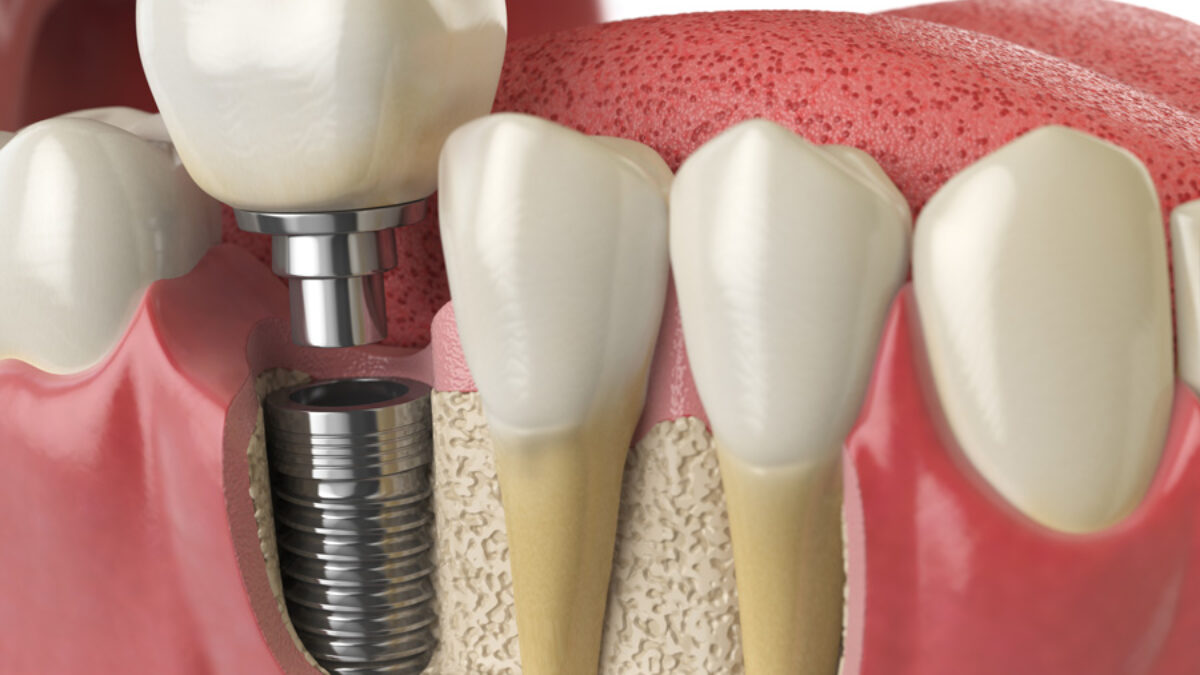
Dental implants can be a steady, long-term way to replace missing teeth, but the result depends heavily on the clinician and the systems around them. In a city with plenty of choice, it’s easy to be swayed by glossy marketing, quick promises, or a price that looks too good to ignore. The smarter approach is simpler: check the fundamentals, ask direct questions, and watch for warning signs that suggest corners might be cut.
If you’re currently comparing clinics for tooth implants in Sydney, the red flags below can help you separate a well-run implant service from one that relies on sales tactics.
1) You can’t verify who is actually treating you
An implant case isn’t just “a tooth”. It’s a minor surgical procedure, often involving diagnostic imaging, planning, placement, and the final restoration. You should know the name and registration status of the dentist or specialist who will place the implant and who will restore it.
In Australia, you can look up health practitioners on the national register and confirm they are registered to practise.
Red flag: a clinic avoids giving the clinician’s full name, changes clinicians without explanation, or suggests registration checks are unnecessary.
2) The clinic’s advertising feels too certain
Be wary of language that promises perfect outcomes or frames implants as “guaranteed” solutions. Implant dentistry has high success rates in suitable patients, but outcomes still depend on bone quality, gum health, bite forces, smoking, medical history, and aftercare.
Australian rules around advertising regulated health services are designed to prevent misleading claims and unrealistic expectations.
Red flag: blanket promises like “pain-free” or “permanent” without any discussion of limitations, complications, or suitability.
3) The consult is rushed, and questions are brushed aside
A proper implant consult should feel like a two-way conversation. You should get time to ask about alternatives (bridge, denture), likely timelines, and what happens if healing doesn’t go to plan. If the clinician seems irritated by questions, that’s information in itself.
Informed consent isn’t a form you sign in a hurry; it’s a process of understanding options, risks, and costs.
Red flag: you’re pushed to commit on the day, with minimal explanation beyond “it’ll be fine”.
4) Planning is light on detail (or strangely secretive)
Implants need planning. That may include a 3D scan (CBCT) where clinically indicated, assessment of gum health, and a discussion of whether bone grafting or sinus augmentation could be needed. Some cases are straightforward. Others are not.
Red flag: the clinic won’t explain how they decide implant position, how they assess bone, or why they’re skipping diagnostic steps.
5) Pricing is vague, bundled, or keeps changing
Cost matters, and looking for value is sensible. Plenty of people compare dental implants Sydney providers because they want predictable fees and clear inclusions. The problem isn’t affordability. The problem is ambiguity.
Ask for an itemised quote that lists what’s included and what might be additional: scans, surgical placement, abutment, crown, bone grafting, sedation, follow-up visits, and warranty terms (if any).
Red flag: a price is advertised as a single figure but the written quote doesn’t specify what it covers.
Related point: people searching dental implants cost Sydney often assume quotes are comparable when they may be describing completely different treatment scopes.
6) Infection control looks like an afterthought
Most patients never see sterilisation areas, but you can still ask about infection control processes and observe basics: clean treatment rooms, sealed instrument packs, and staff who change gloves appropriately.
Australian guidance expects dental practitioners to maintain strong infection prevention and control practices.
Red flag: the clinic seems defensive when you ask about sterilisation, or the environment feels unkempt.
7) They can’t explain the implant system or sourcing
Not all implant systems are equal in terms of evidence base, availability of components, and long-term support. You don’t need a lecture on engineering, but you should get a clear answer on what brand/system they use, why, and how they handle future maintenance if you move or the clinic changes hands.
Red flag: “It’s all the same” or “don’t worry about that” with no brand information provided.
8) Follow-up care is unclear (or non-existent)
A clinic that does a lot of implants should have a routine follow-up schedule and a maintenance plan. Implants still need professional cleaning and monitoring. Problems like peri-implant inflammation can develop quietly.
Red flag: you’re told there’s no real need for follow-up once the crown is fitted, or reviews are treated as optional extras.
9) The clinic feels like a sales floor
Some practices run consults like a transaction: big discounts for same-day decisions, finance-first conversations, or staff who talk more than the clinician does. Discounts and payment plans aren’t automatically bad, and many patients actively look for affordable dental implants Sydney options. The red flag is pressure.
Red flag: urgency is manufactured, or you’re discouraged from seeking a second opinion.
10) “Cheap” is used as a hook, not a description of value
It’s fair to shop around, and there are valid reasons a clinic might offer cheap dental implants Sydney deals (high volume, streamlined systems, lower overheads). Price alone doesn’t tell you whether care is good or poor.
So, what should you look for instead? Transparency: clinician identity, planning steps, itemised fees, material quality, and follow-up arrangements.
Red flag: the clinic leans on a low headline number while staying vague on components, exclusions, and aftercare.
A quick screening table you can use
| What you notice | Why it matters | What to ask next |
|---|---|---|
| No named implant clinician | Accountability and qualifications | “Who places the implant, and can I confirm their registration?” |
| One-price quote with few details | You can’t compare like-for-like | “Can you itemise the quote and list likely add-ons?” |
| High-pressure booking | Informed consent needs time | “What happens if I want a second opinion first?” |
| Little discussion of planning | Placement accuracy affects outcomes | “What scans or assessments are you using for my case?” |
| Unclear follow-up | Problems can emerge later | “What’s the review schedule in the first year and beyond?” |
Final Thoughts
Choosing an implant provider isn’t about finding perfection. It’s about reducing avoidable risk. When a clinic is upfront about who treats you, how they plan, what the fees include, and how they manage follow-up, you can usually feel it in the consult. When answers are vague, rushed, or sales-driven, that’s worth taking seriously.