

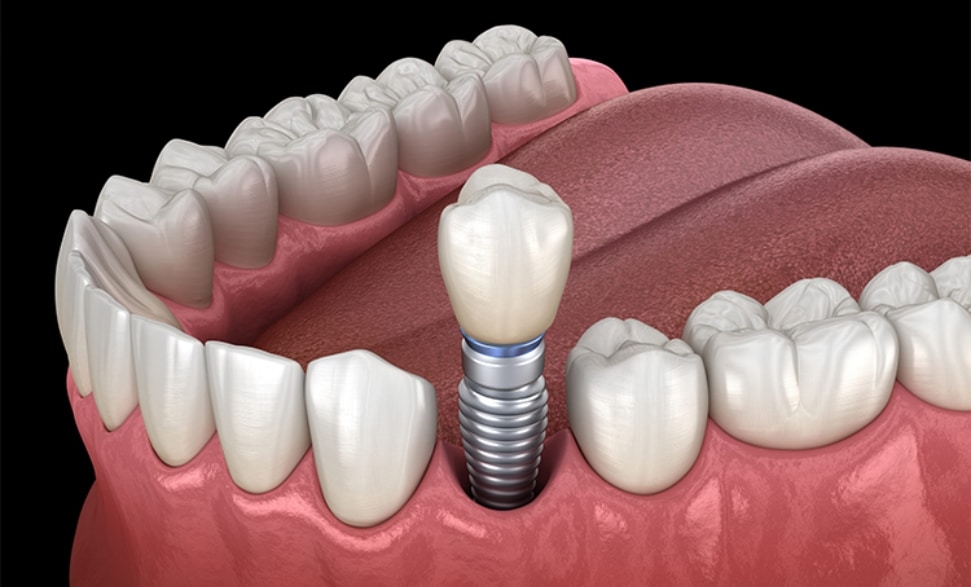
A missing tooth is more than a gap. Teeth can drift, food traps become a daily annoyance, chewing loads shift, and the bone that once held a root may shrink. Dental implants are not the only replacement option, yet they offer a fixed approach that supports function and can be easier to keep clean than many removable alternatives.
The seven common “missing tooth” patterns
| Pattern | What often happens | How an implant may help |
|---|---|---|
| 1. One back tooth missing | Chewing shifts, food packs in | Single implant and crown restores a stable contact |
| 2. One front tooth missing | Smile and speech affected | Replaces the tooth without trimming neighbours |
| 3. Several missing in a row | Neighbouring teeth tip inward | Implants can support a fixed bridge |
| 4. Gaps in different spots | Bite feels uneven | Strategic implants stabilise key chewing zones |
| 5. A long-standing gap | Less bone/space available | Planning may include grafting or space correction |
| 6. Loss after infection/trauma | Gum health needs attention | Implant once tissues are healthy and stable |
| 7. Full arch tooth loss | Dentures move, diet narrows | Implant-retained options improve stability |
1) One missing molar that changes your habits
Back teeth do the heavy lifting. When one is missing, many people chew on the other side without noticing, and that can lead to uneven wear or jaw soreness. Food also packs into the space and irritates the gums. A single implant-supported crown restores a firm chewing surface and helps you use both sides again.
2) One missing front tooth where the details matter
A front tooth gap affects bite, speech and confidence. Some people start smiling less; others notice a slight change in pronunciation. An implant can replace the tooth without using adjacent teeth as anchors, which suits patients with healthy neighbouring teeth.
For local readers, Dental implants Melbourne is a common search because front-tooth work depends on careful positioning and natural gum contours.
3) Several missing teeth in a row
When two or three teeth go missing together, the teeth on either side often tip into the space. That can create awkward bite contacts and makes cleaning harder. In many cases, dentists place implants to support a fixed bridge, giving you stability without a removable partial denture.
4) Multiple gaps across the mouth
This pattern often follows years of repairs and extractions in different areas. The bite can become patchy, and the remaining teeth may carry extra force. An implant plan here often focuses on the chewing zones that protect the rest of the mouth, rather than replacing every missing tooth at once.
People commonly ask about the cost of dental implants Melbourne in this situation because treatment can be staged, starting with the areas that affect eating most.
5) A gap that’s been there for years
Time changes the landscape. Bone tends to reduce where a root once sat, and nearby teeth can drift, leaving less room for a replacement. That does not automatically rule out implants, but it may mean extra steps such as bone grafting or orthodontic spacing. A proper assessment sets realistic expectations for timing and outcome.
6) Tooth loss linked to infection, gum disease or injury
If a tooth was removed because of infection, the priority is to settle the site and make it easy to clean. Implants perform best in stable gums with consistent plaque control. Dentists also look at smoking and grinding, since both raise risk.
Searches for tooth implants Melbourne often come with recovery questions. Many patients cope with mild swelling for a few days, then improve steadily, with review visits.
7) Dentures that move or a mouth that’s running out of teeth
Full dentures can look fine, yet lower dentures often move during talking or eating. People then avoid certain foods and feel less confident socially. Implant-retained dentures (and, in suitable cases, fixed full-arch options) can reduce movement and make eating more predictable.
Marketing terms like affordable dental implants Melbourne appear frequently here. Affordability can come from staged treatment or different prosthesis designs, but aftercare should still be clear.
How implants can support dental health
An implant acts as a replacement root. That can help limit bone shrinkage in that area, reduce tipping of adjacent teeth, and restore a stable bite surface that spreads chewing forces more evenly. Cleaning is simpler than with clasped removable appliances, since you can brush and floss around a crown much like a natural tooth.
Implants still need maintenance. Regular check-ups, professional cleans, and good home care protect gum health around the implant. If you clench or grind, a night guard may help.
If you’re looking to replace your missing teeth with dental implants, you must be concerned about the cost. While the Dental implants cost Melbourne is higher than other restorative options, they provide a long-lasting solution, making it a one-time valuable investment that will improve the quality of life.
Sorting value from bargain pricing
You will also see offers for cheap dental implants Melbourne. Some are genuine promotions, but compare details: does the quote include the crown, what implant system is used, and who provides follow-up care? A transparent plan is usually a better guide than a headline price.
If you’re not sure which pattern fits you, a consultation can clarify whether an implant suits your mouth, your health history and your budget.